The Rent Discount That Costs a Decade: Life Inside Atsugi's Research Residence Halls
Photo: McGovern, John. [from old catalog], No restrictions, via Wikimedia Commons
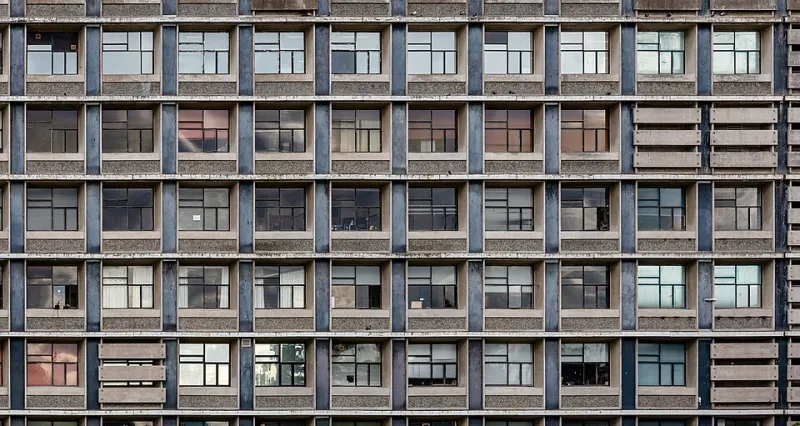
The deal reads like something from a marketing brochure with a footnote problem: live in Atsugi's newly opened Kita-Yama Residence Commons, pay roughly 30 percent below market rent, and in exchange, agree to participate in a longitudinal study of wellbeing and learning that will follow you — with your consent renewed annually — for up to a decade after graduation.
The university calls it a residence program. The researchers call it a cohort. The students, mostly, call it affordable housing. All three descriptions are accurate, and the tension between them is the point.
What Residents Actually Sign Up For
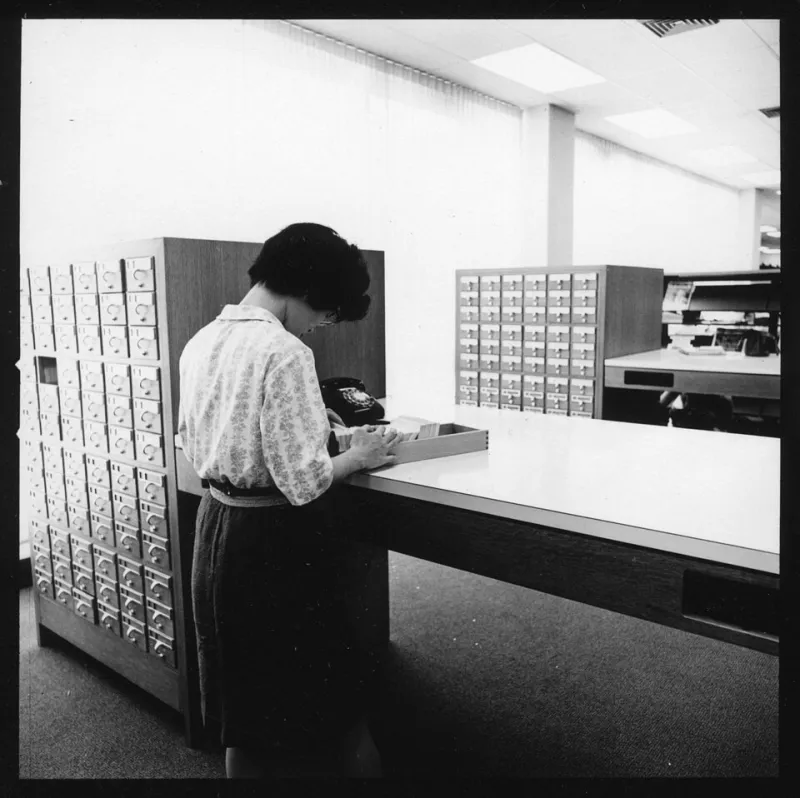
The Kita-Yama cohort study, launched this academic year, enrolls approximately 400 students. Participation involves a quarterly questionnaire battery covering sleep, mood, study habits, and financial stress; voluntary wearable-device data on activity and sleep architecture; and — the component that has drawn the most criticism — de-identified academic records linked to residence hall survey responses.
The research questions are legitimate and, frankly, overdue. Higher education research is notoriously starved of longitudinal data on how living conditions shape learning. Most studies of college wellbeing are cross-sectional snapshots: one semester, one survey, one dorm. A ten-year window that extends past graduation into early career and health outcomes is the kind of dataset that could genuinely reshape how universities design residential life.
The discounted rent is not trivial. For a student facing Japan's rising cost of living — or an American facing housing costs that have ballooned at even public institutions — a 30 percent reduction over four years can amount to the price of a used car.
The Privacy Ledger
Here is where enthusiasm should temper. Even de-identified, decade-spanning data linking sleep patterns to grades to post-graduation employment is sensitive in ways quarterly surveys are not. Re-identification risk in longitudinal datasets is well documented; the longer the observation window, the more unique each participant's data profile becomes.
The program's governance structure is better than most: an independent ethics board with student seats, annual data audits, and a stated commitment that findings will be published regardless of whether they flatter the university's housing policies. That last commitment matters. A study administered by the institution whose housing program it evaluates carries an inherent conflict of interest, and only sustained, independent publication can offset it.
Still, the consent architecture deserves skepticism. Can a financially pressed 18-year-old meaningfully refuse a deal that bundles housing affordability with research participation? The university is careful to note that students can decline data components while living in the hall at standard rent. But the two-tier pricing structure creates, at minimum, the appearance that privacy is a luxury good.
What American Universities Should Take — and Leave
US institutions contemplating similar arrangements should separate the two ideas Atsugi has braided together. The first idea — affordable housing as a public good — needs no research justification. The second — campus life as a research instrument — should stand on its own merits, with consent, governance, and compensation negotiated independently of rent.
There is also an asymmetry worth naming: the benefits of this research will accrue mostly to future students and to the institution's reputation, while the current cohort bears the privacy cost. A genuinely reciprocal model might fund the rent discount from research grants rather than housing budgets, making the exchange explicit rather than implicit.
The Kita-Yama experiment is, on balance, a serious and ethically considered attempt to answer questions universities have avoided asking: what does residential life actually do to the people living it? The answer to that question is worth something. The remaining work — for Atsugi and for any American campus tempted to follow — is ensuring the people providing the data believe they were never asked to sell it cheaply.